


Pakistan’s government continues to offer investors returns above the central bank’s policy rate as banks and other investors favour government securities over lending to businesses amid economic uncertainty, sluggish domestic investment and escalating regional tensions.
In an auction held on Wednesday, the government raised Rs685.5 billion through treasury bills (T-bills), including Rs417.6 billion in competitive bids and Rs267.9 billion through non-competitive bids, according to the auction results.
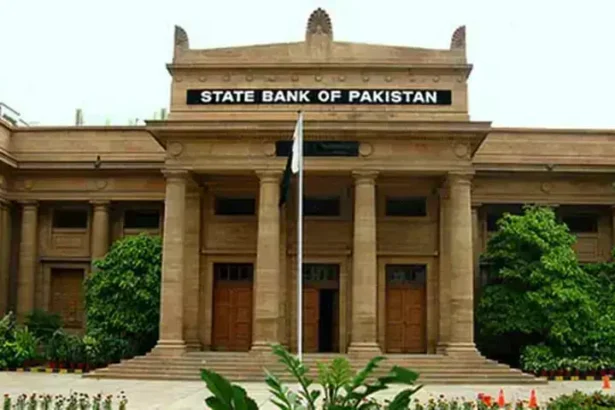
Returns on all T-bill tenors remained above the State Bank of Pakistan’s policy rate of 11.5 per cent, despite rates remaining largely unchanged. The auction was the last before the central bank announces its next monetary policy decision on October 26.
Financial experts said investors were reluctant to take risks because of the Gulf conflict and political uncertainty at home. Government securities remain an attractive option for banks seeking returns while opportunities for domestic lending appear limited.
The latest auction attracted bids worth Rs2.6 trillion, slightly below the Rs2.7 trillion received at the previous auction on October 1. The strong demand reflects investors’ preference for relatively secure government-backed instruments over potentially riskier private-sector investments.
The six-month T-bill yield, which had increased by 75 basis points to 12.45 per cent at the previous auction, edged down by six basis points to 12.39 per cent. Despite the decline, the yield remained 89 basis points above the policy rate.
The continued premium highlights the government’s reliance on borrowing from the domestic banking system to meet its financing needs. However, growing dependence on banks is adding to Pakistan’s domestic debt burden and raising concerns about the availability of credit for productive economic activity.
Private investment remains weak
The lack of fresh private-sector investment is emerging as a major concern for policymakers. The first quarter of the current fiscal year ended without new private-sector borrowing, according to the report.
Private-sector borrowing reached Rs1.4 trillion in fiscal year 2025-26, compared with Rs1 trillion in the preceding financial year. Bankers said much of the borrowing was used to finance working capital rather than long-term investment, limiting its potential to expand productive capacity and create jobs.
The government has been hoping for stronger economic growth in the current fiscal year. The International Monetary Fund has projected growth of 3.5 per cent for FY2027, while the finance minister expressed hope on Tuesday that the economy could grow by 4 per cent.
However, weak investment and subdued business confidence could make achieving that target more difficult.
The pressure is particularly concerning as poverty continues to rise. The World Bank has reported that 48 per cent of Pakistanis are living below the poverty line, underscoring the challenge of translating economic stabilisation into better living standards.
A Karachi-based businessman criticised the lack of measures to revive economic activity, saying businesses were focused on protecting their existing investments rather than taking new risks.
The latest T-bill auction therefore presents a mixed picture: strong demand for government securities provides a source of financing, but the continued preference for these instruments over private lending highlights the difficulty of reviving Pakistan’s investment climate.
As the State Bank prepares for its October 26 policy announcement, the challenge for policymakers will be to maintain financial stability while encouraging banks and businesses to channel more funds into productive economic activity.