
The Food and Agriculture Organization (FAO) has warned that the world could face a food “catastrophe” if disruptions in the Strait of Hormuz continue, as critical shipments of agricultural inputs remain blocked due to the ongoing war between the United States, Israel, and Iran.
FAO’s chief economist Maximo Torero and agrifood economics director David Laborde explained that while food prices have not yet spiked, existing stocks are only temporarily absorbing the shock. Laborde cautioned that if traffic through the strait does not resume soon, disruptions in energy and fertilizer markets will inevitably push commodity and retail food prices higher later this year and into 2027.
According to FAO data, between 20 and 45 percent of global agrifood inputs depend on passage through the Strait of Hormuz. Laborde described the situation as an “input crisis” that could escalate into a catastrophe if governments fail to act. “The difference depends on the actions we take,” he said.
Torero added that current food availability is masking the crisis. “Right now, we don’t have a food crisis because we have food availability,” he said, noting that recent harvests have kept bread and wheat prices stable despite rising oil and gas costs. “But this is now,” he warned, stressing that the clock is ticking.
Fertilizers are at the heart of the problem. Nearly half of the world’s traded urea, the most widely used fertilizer, passes through Hormuz, along with large volumes of other fertilizers. Recent disruptions in gas supplies have already forced plants in the Gulf and beyond to cut production. If the blockade persists, farmers will face shortages, forcing them to grow with less fertilizer or raise prices to cover higher costs.
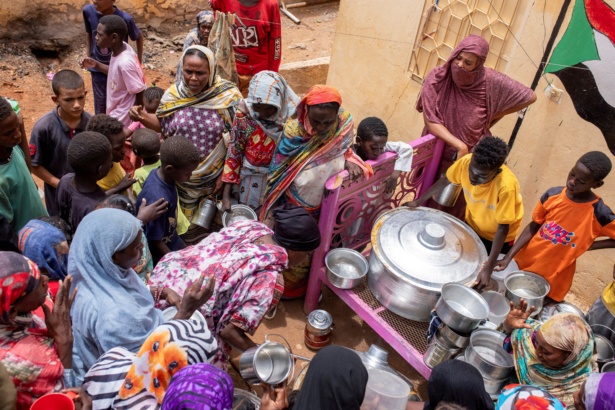
Torero emphasized that poorer countries are most vulnerable. Planting calendars in many regions mean that delays in accessing fertilizers and other inputs could quickly translate into reduced harvests, higher inflation, and slower global growth. “This is why it’s so essential that the ceasefire continue and that vessels start moving,” he said.
The crisis stems from Iran’s decision to halt traffic through the strait in response to attacks by the United States and Israel, which launched a war on Tehran on February 28 that killed Supreme Leader Ayatollah Ali Khamenei. The blockade has already triggered a global energy shock, with oil and gas prices doubling compared to pre-war levels.
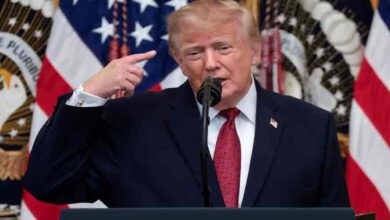
Efforts to resolve the crisis have so far failed. Over the weekend, Iranian and US representatives held a marathon 21-hour negotiation but could not reach a breakthrough. US President Donald Trump responded by ordering a naval blockade of the strait, directing the navy to interdict ships that had paid Iran tolls to cross. The US military later announced it would block all maritime traffic entering and exiting Iranian ports, including those in the Gulf and the Gulf of Oman.
With global food security now at risk, FAO’s warning underscores the urgency of restoring freedom of navigation in Hormuz. Without swift action, the disruption could ripple across supply chains, driving up food prices worldwide and deepening hardship in vulnerable nations.