
The World Bank and other major development lenders on Wednesday launched a global initiative, Water Forward, aimed at improving access to safe and reliable water for more than one billion people over the next four years, according to Reuters news agency’s report.
The programme seeks to increase investment in water management while encouraging governments to treat water as a strategic economic resource rather than a low-cost public utility. It will mobilize private capital and philanthropic funding alongside public sector investment.
“Water is fundamental to how economies function,” said Ajay Banga, President of the World Bank, emphasizing the need to deliver reliable water services at scale.
The World Bank estimates that global demand for freshwater could exceed supply by up to 40% by the end of this decade. Water-related shocks are already costing some countries significant portions of their annual economic growth.
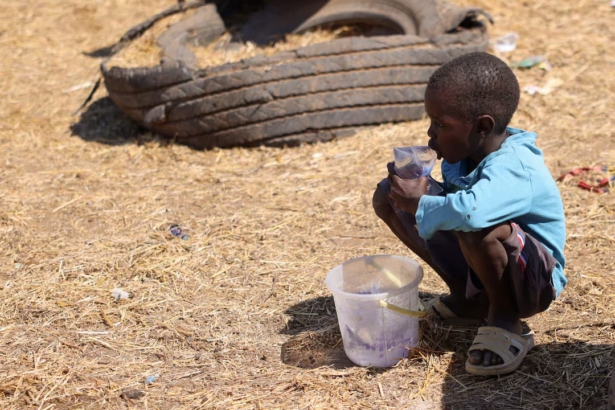
Climate change is worsening both droughts and floods, putting additional strain on public finances and vulnerable populations, particularly in rapidly expanding urban areas. According to recent estimates, more than 2.1 billion people lack access to safe drinking water, while over 3.4 billion do not have adequate sanitation.
The Water Forward initiative will initially focus on 14 water-stressed countries across Africa, the Middle East, and South Asia. Priority areas include reducing urban water leakage, modernizing irrigation systems, improving wastewater reuse, and strengthening data-driven planning.
Other participating institutions include the European Investment Bank, Asian Development Bank, Inter-American Development Bank, and the New Development Bank, which was established by BRICS nations.
The World Bank noted that around 4 billion people currently face water scarcity due to weak governance, unclear policies, and financially unsustainable utilities.
It added that its own commitment is to provide water security to 400 million people by 2030, while additional partner contributions are expected to expand the programme’s reach to over one billion people globally.