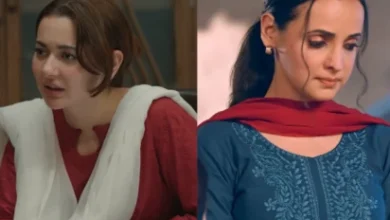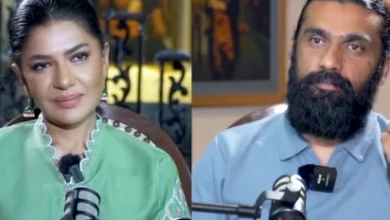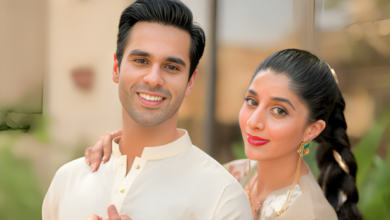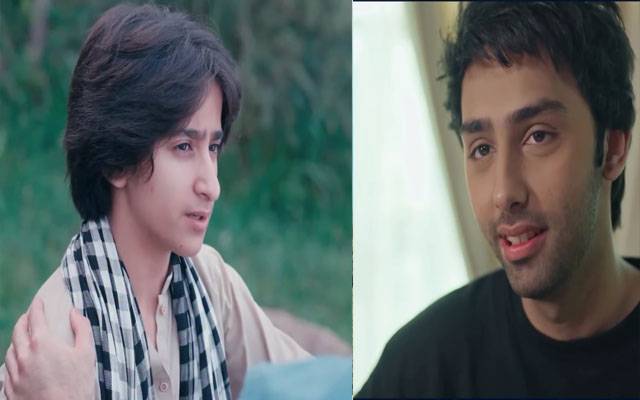

Pakistani dramas are increasingly earning praise for presenting emotionally mature and progressive male characters, with recent scenes from Zanjeerain and Kafeel leaving a strong impact on viewers online.
From brothers thoughtfully protecting their sisters’ futures to sons caring deeply about their mothers’ happiness, these dramas are challenging old stereotypes and redefining masculinity through empathy, respect and emotional understanding.
Audiences are especially appreciating how both dramas highlighted men who genuinely care for the women in their families without ego or hesitation.
In Zanjeerain, viewers praised a scene in which a brother responsibly speaks to a potential groom for his sister. Rather than treating the conversation casually, the character carefully asks about the man’s home, financial stability, and overall intentions regarding the marriage proposal.
Audiences admired the way the drama portrayed a brother sincerely looking out for his sister’s future, calling it a realistic and emotionally touching moment.
Similarly, Kafeel received praise for showing a son thinking about his mother’s happiness and emotional future.
Actor Aashir Wajahat, who played the son in the drama, was shown searching for a suitable life partner for his mother after witnessing her struggles. The storyline deeply resonated with viewers, many of whom said it was rare and refreshing to see a son openly wanting companionship and emotional peace for his mother in today’s society.
Fans online appreciated how both dramas moved beyond traditional stereotypes and instead presented male characters with empathy, emotional intelligence, and genuine care for the women in their lives.
Many viewers believe such portrayals reflect a positive shift in Pakistani television storytelling, where masculinity is being shown through compassion and understanding rather than dominance alone.
Meanwhile, Zanjeerain itself continues to attract attention for its cinematic scale, emotional storytelling, and visually rich world. Written by Farhat Ishtiaq and directed by Shahzad Kashmiri under Momina Duraid Productions, the drama has quickly emerged as one of the season’s most ambitious projects.
Set against breathtaking mountain landscapes and grand haveli backdrops, the serial combines emotional family conflicts with visually immersive storytelling. Sajal Aly has already captured viewers’ attention as Rabia, a warm yet emotionally layered café owner whose journey feels deeply relatable from the very beginning.
The drama also benefits from fresh on-screen pairings, including Ameer Gilani opposite Sajal Aly and Sehar Hashmi alongside Danyal Zafar. Veteran performers including Samiya Mumtaz, Ahsan Khan, Moomal Sheikh, and Adnan Siddiqui further strengthen the emotional weight of the story.
At the same time, discussions surrounding Kafeel continue even after its ending. While many viewers celebrated Zeba finally finding emotional peace after leaving a painful marriage, others questioned whether the conclusion fully addressed the emotional impact on her children.
The debate sparked larger conversations online about motherhood, healing, sacrifice, and emotional responsibility within broken families.Still, despite differing opinions about the ending, one aspect remained widely appreciated: the portrayal of emotionally supportive male characters.
Fans believe dramas like Zanjeerain and Kafeel are helping reshape television narratives by showing men who listen, care, protect, and emotionally support the women in their lives.
For many viewers, that shift alone feels like a powerful step forward for Pakistani television.