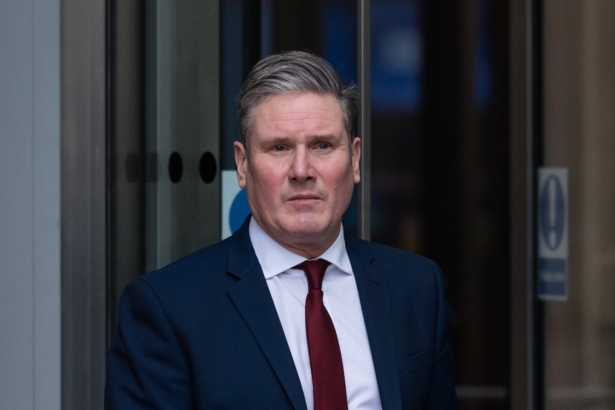

A major political controversy has emerged within the UK Labour Party as around 67 members of Parliament are reportedly calling for party leader Keir Starmer to step down, marking one of the most serious internal challenges to his leadership so far.
The group of MPs is said to include a wide range of Labour figures from different wings of the party, reflecting growing internal divisions over strategy, leadership style, and policy direction. Those reportedly involved include Clive Betts, Sarah Owen, Connor Naismith, David Baines, John McDonnell, Ian Lavery, Clive Lewis, Jonathan Brash, Louise Haigh, Anneliese Midgley, Simon Opher, Richard Burgon, Olivia Blake, Paula Barker, Ian Byrne, Neil Duncan-Jordan, Apsana Begum, Chris Hinchcliff, Kim Johnson, Ruth Jones, Andy McDonald, Kate Osborne, Jon Trickett, Nadia Whittome, Beccy Cooper, Catheine West, Tony Vaughan, Barry Gardiner, Abitsam Mohamed, Josh Simons, Irene Campbell, Cat Eccles, Anna Dixon, Justin Madders, Terry Jermy, Imran Hussain, Euan Stainbank, Graham Stringer, Rachael Maskell, Debbie Abrahams, Peter Lamb, Brian Leishman, Julia Buckley, Paulette Hamilton, Catherine McKinnell, Navendu Mishra, Bell Ribeiro-Addy, Emma Lewell, David Smith, Chris Curtis, Luke Myer, Markus Campbell-Savours, Alan Gemmell, Fred Thomas, Lorraine Beavers, Jas Athwal, Sarah Smith, Jo Platt, Tonia Antoniazzi, and Alex Ballinger.
According to political observers, the dissatisfaction reflects long-standing tensions within Labour, particularly between the party’s left-wing and its more centrist leadership under Starmer. Critics argue that the party has moved away from traditional Labour values and has failed to clearly define its position on key economic and social issues.
Supporters of Starmer, however, reject the resignation calls and argue that his leadership has helped restore credibility and discipline within the party after years of internal instability. They claim that focusing on unity and electoral readiness is more important than internal disputes, especially as the UK approaches a crucial political period ahead of the next general election.
The situation also highlights broader challenges facing opposition parties in maintaining unity while balancing diverse ideological views within their parliamentary ranks. Analysts say that while internal disagreements are not unusual in large political parties, the scale of reported dissent is significant enough to raise questions about cohesion.
Despite the pressure, there is no official indication that Starmer intends to resign, and party leadership is expected to continue engaging with MPs to manage internal concerns and maintain stability within the parliamentary group.