
Tensions between Iran and the United States have intensified after Iranian leaders rejected a US-backed peace proposal and warned Washington to accept Tehran’s conditions or face prolonged instability in the region.
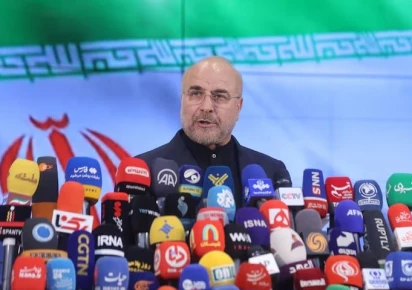
Iranian Parliament Speaker Mohammad Bagher Ghalibaf said the United States had “no choice” but to accept Iran’s 14-point proposal. He claimed the demands represented the legitimate rights of the Iranian people and warned that delaying an agreement would increase political and economic costs for Washington.
Ghalibaf also issued a strong warning over possible military action. He said Iran’s armed forces were fully prepared for any confrontation and promised a “strong and surprising response” to aggression.
The remarks came shortly after US President Donald Trump sharply criticised Tehran’s response to ongoing ceasefire discussions. Trump described Iran’s proposal as “garbage” and said the fragile ceasefire was now “on life support.”
The ceasefire between both sides began on April 7 after weeks of military escalation across the Middle East. However, negotiations have stalled as Tehran continues to insist on several major demands before agreeing to a broader settlement.
Iran is demanding an end to military operations across the region, including fighting involving Hezbollah in Lebanon. Tehran has also demanded recognition of its authority over the Strait of Hormuz, compensation for damages caused during the conflict, and an end to the US naval blockade near Iranian waters.
Washington had earlier proposed halting the fighting first and then beginning negotiations on difficult issues such as Iran’s nuclear programme and regional security concerns. Tehran, however, wants guarantees and wider concessions before moving forward.
The worsening dispute has increased fears of a larger regional crisis and triggered fresh concern in global energy markets. Brent crude oil prices rose above $104 per barrel as uncertainty surrounding the Strait of Hormuz continued to disrupt international oil supplies.
The narrow waterway is one of the world’s most important energy routes and previously carried nearly 20 percent of global oil and liquefied natural gas shipments. Since the conflict erupted in February, traffic through the strait has fallen sharply.
Shipping activity remains extremely limited. Several oil tankers reportedly crossed the route with tracking systems switched off to avoid possible attacks. LNG shipments from Qatar have also been moving under special regional arrangements involving Pakistan and Iran.
The conflict is creating growing political pressure inside the United States as rising fuel prices affect American consumers ahead of upcoming congressional elections. Recent opinion surveys show many US voters remain unconvinced by the reasons behind the war.
Washington is also struggling to build international military support for reopening the Strait of Hormuz. Several NATO allies have reportedly refused to join naval operations without a complete peace agreement and an internationally approved mission.
Meanwhile, diplomatic efforts continue behind closed doors. US Secretary of State Marco Rubio has been in contact with allied nations regarding maritime security in the Gulf region.