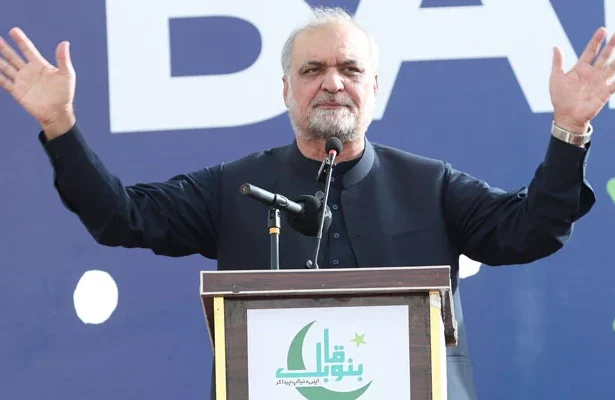

Speaking on current economic and energy issues, he emphasized that Pakistan continues to face a persistent energy shortfall, which is impacting industries, households, and overall economic growth. According to him, expanding regional energy cooperation—particularly with neighboring countries—can provide a more stable and cost-effective solution compared to expensive fuel imports from distant markets.
He specifically pointed out the long-delayed Iran-Pakistan gas pipeline project, stating that it should be made operational without further delay. He argued that the project has the potential to significantly improve Pakistan’s energy supply situation and reduce pressure on the national economy.
In addition to gas imports, he also highlighted the need for petroleum trade with Iran. He said that engaging in structured oil trade agreements could help stabilize fuel prices and ensure a more reliable supply chain for the country’s energy needs.
The statement comes amid ongoing discussions in Pakistan about energy security, rising fuel costs, and the search for alternative import sources. Energy experts have long debated the strategic importance of regional pipelines and cross-border energy cooperation, particularly with Iran.
He further urged policymakers to prioritize national interest over political and external pressures, arguing that energy decisions should be guided by long-term economic stability rather than short-term constraints.
The remarks reflect a broader debate within Pakistan regarding how to diversify energy imports and strengthen ties with neighboring countries to address chronic shortages and economic pressures.