
Pakistan’s weekly inflation rate recorded a slight decline during the latest monitoring period, offering some relief to consumers. However, the prices of several essential commodities continued to increase, adding pressure on household budgets across the country.
According to the latest data released by the Federal Bureau of Statistics (FBS), the Sensitive Price Indicator (SPI)-based weekly inflation decreased by 0.56 percent compared to the previous week. Despite the weekly drop, the overall annual inflation rate was recorded at 14.75 percent, reflecting the persistent cost-of-living challenges faced by citizens.
The statistics showed mixed trends in commodity prices during the week under review. Out of the items monitored by the bureau, prices of 22 essential goods increased, while 10 commodities registered a decline. Meanwhile, the rates of 19 items remained unchanged.
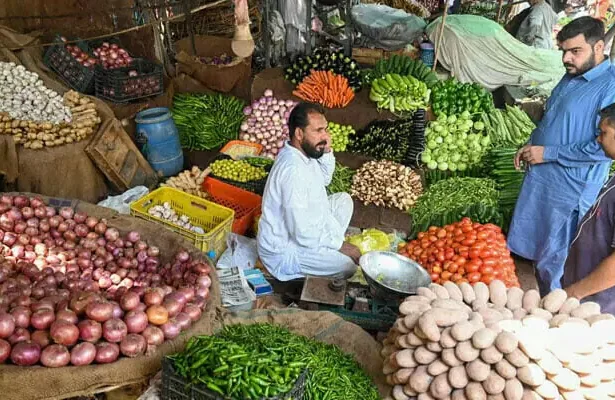
Among the products that witnessed the sharpest increase, onions topped the list with a surge of 28.16 percent, followed by potatoes, whose prices climbed by 21.91 percent. Consumers also faced higher costs for several staple items, including wheat flour, ghee, cooking oil, fresh milk, and liquefied petroleum gas (LPG), all of which recorded noticeable price increases.
On the other hand, some commodities became more affordable during the week. Chicken prices fell by 9.48 percent, providing relief to households dependent on poultry as a primary source of protein. Garlic also became cheaper, with prices declining by 9.13 percent.
Fuel prices contributed significantly to the downward movement in weekly inflation. Diesel prices dropped by 7.01 percent, while petrol became cheaper by 6.80 percent compared to the previous week. The reduction in fuel costs is expected to have a positive impact on transportation expenses and may help ease inflationary pressures in the coming weeks.