
More than 300 migrants from Iraqi Kurdistan, who were attempting to reach the United Kingdom, were reportedly kidnapped in Libya during their journey last year, according to a major investigative report.
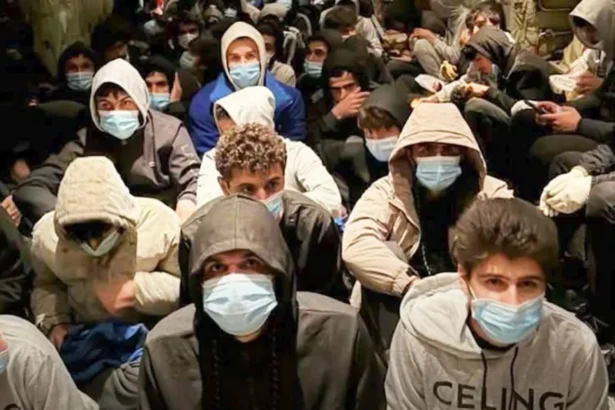
The victims were allegedly held by an armed militia after arriving in Libya as part of a human smuggling route that passes through North Africa and across the Mediterranean. The group was reportedly confined in heavily overcrowded and inhumane conditions, with around 180 people forced to share a single cell.
Survivors say they were subjected to severe torture and psychological abuse during captivity. Many were threatened with forced organ removal, particularly kidney extraction, if their families failed to pay ransom demands of around $5,000 per person.
Families of the abducted migrants were reportedly contacted and pressured to send money urgently. In several cases, captors allegedly sent distressing photos and videos of the hostages to increase pressure for payment.
Some former hostages who have since been released described extreme conditions inside the detention sites, including prolonged confinement, lack of sunlight, and severe food shortages. They said detainees were given minimal food and lived in constant fear of violence.
At least one death has been confirmed, while the fate of several others remains unclear. Reports also suggest that some victims may have undergone forced medical procedures, although full verification is still pending.
The kidnappings are believed to be linked to disputes within human smuggling networks operating between Iraqi Kurdistan and Libya. Investigations indicate that rival smuggling groups and armed militias exploited weak governance in parts of Libya to detain migrants for ransom.
Authorities in Iraqi Kurdistan have confirmed that several victims have been returned home through government-arranged repatriation flights. However, officials warn that the broader smuggling network remains active, and many families continue to pay large sums in hopes of securing the release of relatives.
Survivors who returned have described horrific conditions, including overcrowded rooms, lack of proper sanitation, and physical abuse. One former detainee said they were held in such tight spaces that they could not lie down properly for months.
Another survivor reported being burned and beaten during captivity, while others described being forced to witness violence against fellow detainees.
Officials and human rights observers say the case highlights the extreme dangers faced by irregular migrants using Libya as a transit point to Europe. The country remains a major hub for human trafficking networks due to ongoing instability and limited state control in many regions.
Despite repeated warnings, migration flows from Iraqi Kurdistan through Libya toward Europe continue, driven by economic hardship and the hope of reaching the UK or other European destinations.