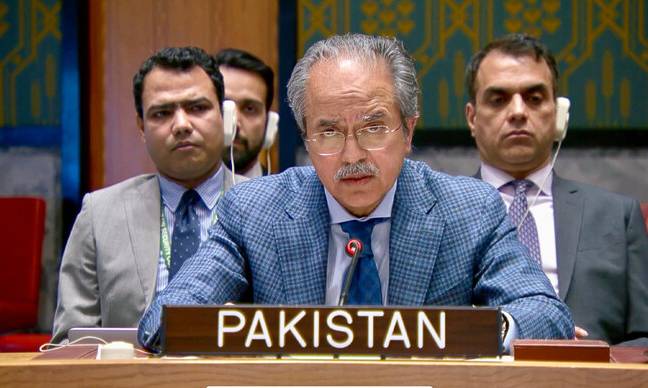

Pakistan has reaffirmed that dialogue remains the most effective tool for resolving differences and promoting global peace and cooperation, during a high-level United Nations event marking the International Day for Dialogue among Civilisations.
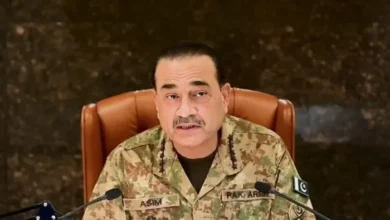
Pakistan’s Permanent Representative to the UN, Ambassador Asim Iftikhar Ahmad, said international engagement through diplomacy, intercultural exchange, and mutual understanding is essential in today’s divided world. He stressed that dialogue is the key to overcoming tensions and building trust among nations.
He noted that global leaders at the event, including senior UN officials and foreign ministers, highlighted the importance of cooperation and peaceful engagement. According to him, their remarks reflected a growing international consensus on the need for dialogue.
The ambassador said the United Nations itself was founded on the principle of peace through communication and cooperation. He added that the lessons of history show a strong link between global stability and constructive dialogue among civilizations.
Warning about rising global challenges, he said that the current international environment makes dialogue even more necessary. He emphasized that conflicts and tensions cannot be resolved without sustained diplomatic efforts.
Highlighting Pakistan’s cultural and historical background, he said the country is home to ancient civilizations, including the Indus Valley and Harappa, and has long served as a crossroads of different cultures and regions.
He said Pakistan’s identity is rooted in diversity, interfaith harmony, and peaceful coexistence. These values, he added, are also a core part of the country’s foreign policy.
The ambassador also referred to Pakistan’s cooperation with the Philippines in sponsoring a UN General Assembly resolution on promoting interreligious and intercultural dialogue, which was adopted by consensus.