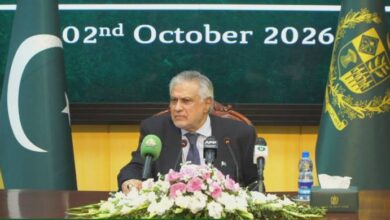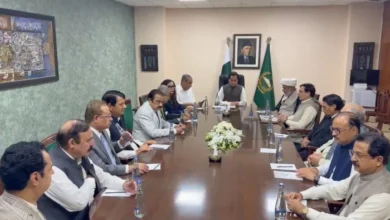
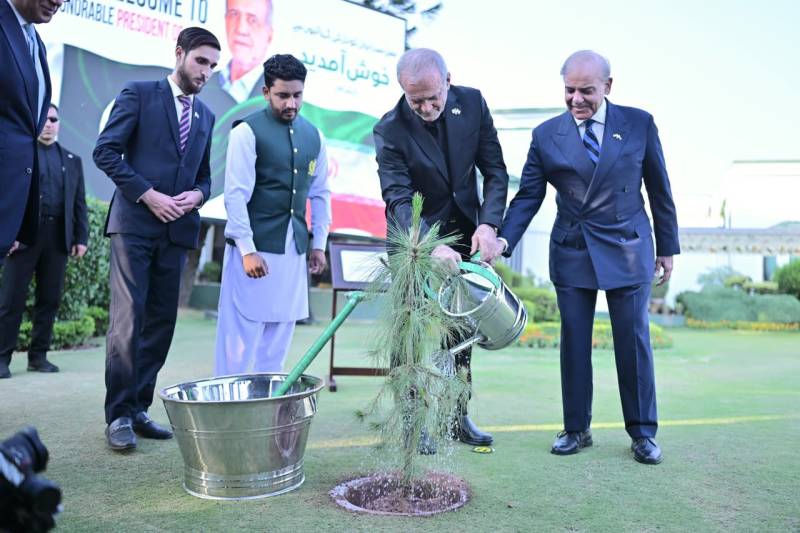

The visit of Iranian President Dr. Masoud Pezeshkian to Pakistan, accompanied by a high-level political, economic, and security delegation, represents far more than a routine diplomatic engagement. It signals the possibility of a strategic reset in Pakistan-Iran relations at a time when the region is undergoing profound geopolitical transformation. Against the backdrop of shifting alliances, ongoing conflicts in the Middle East, emerging trade corridors, and growing energy demands, the discussions between President Pezeshkian, Pakistan’s civilian leadership, and Chief of Defence Forces Field Marshal Syed Asim Munir could mark the beginning of a new chapter centered on security cooperation, economic connectivity, energy integration, and regional peace.
For decades, Pakistan and Iran have shared deep historical, cultural, religious, and geographical ties. Yet despite possessing a common border of nearly 900 kilometers and complementary economic interests, bilateral relations have often fallen short of their potential. External pressures, regional rivalries, sanctions on Iran, border security challenges, and differing strategic priorities frequently limited the scope of cooperation. President Pezeshkian’s visit offers an opportunity to overcome many of these obstacles and establish a framework for sustained engagement.
One of the most significant aspects of the visit is the emphasis on security cooperation. Border security has remained a persistent concern for both countries, particularly in the border regions of Pakistan’s Balochistan Province and Iran’s Sistan-Baluchestan Province. Militant groups, smuggling networks, and transnational criminal organizations have exploited difficult terrain and weak infrastructure to undermine stability. Enhanced intelligence sharing, coordinated border management, joint patrol mechanisms, and military-to-military cooperation could significantly reduce security threats affecting both sides.
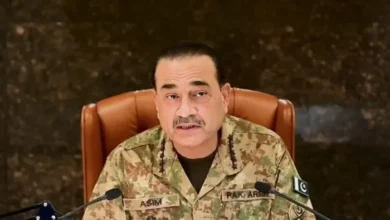
The discussions involving Field Marshal Asim Munir are particularly noteworthy. Pakistan’s military leadership has increasingly emphasized regional connectivity and economic security as components of national security. A stable western border would allow Pakistan to focus greater resources on economic development while enabling Iran to secure its southeastern regions. Improved defense cooperation may also reduce the risk of misunderstandings and prevent isolated border incidents from escalating into larger diplomatic tensions.
Energy cooperation remains perhaps the most transformative avenue emerging from the visit. Pakistan continues to face recurring energy shortages that constrain industrial growth and economic competitiveness. Iran possesses some of the world’s largest reserves of natural gas and significant oil resources. The long-discussed Iran-Pakistan gas pipeline remains one of the most strategically important yet unrealized projects in South Asia. While international sanctions have complicated implementation, evolving geopolitical realities may create new opportunities for pragmatic arrangements that benefit both countries.
Beyond natural gas, cooperation in electricity transmission could provide immediate benefits. Iran already supplies electricity to several border regions of Pakistan. Expanding these arrangements could help address power shortages in underserved areas, particularly in Balochistan. Increased energy cooperation would not only strengthen economic ties but also contribute to social stability by creating opportunities for industrial development and employment generation.
Trade and economic connectivity are equally important dimensions of this visit. Bilateral trade between Pakistan and Iran remains far below its potential. Both countries have repeatedly expressed ambitions to increase trade volumes, yet logistical and financial barriers have hindered progress. Enhanced border infrastructure, modernized customs procedures, banking arrangements, and transportation links could substantially boost commercial activity.
The strategic significance of connectivity extends beyond bilateral relations. Pakistan serves as a gateway to South Asia, while Iran occupies a critical position linking the Middle East, Central Asia, and the Caucasus. Together, they can become key players in emerging regional trade networks. Greater cooperation between Islamabad and Tehran could contribute to the development of regional economic corridors connecting Central Asia to Arabian Sea ports, creating new opportunities for investment and commerce.
Among all Pakistani regions, Balochistan stands to gain the most immediate and substantial benefits from improved Pakistan-Iran relations. As the province bordering Iran, Balochistan occupies a pivotal position in any future framework of trade, energy, and security cooperation. For decades, the province has struggled with underdevelopment, unemployment, inadequate infrastructure, and security challenges. Enhanced bilateral cooperation could directly address many of these issues.
The expansion of border markets, increased legal trade, and improved transportation infrastructure would stimulate local economies and create employment opportunities for thousands of residents. Energy imports from Iran could support industrial development and improve electricity availability in remote districts. Better border management would facilitate legitimate commerce while reducing illicit activities that undermine economic growth.
Moreover, enhanced security coordination between Pakistan and Iran could help stabilize border regions, encouraging investment and development projects. The people of Balochistan have long sought greater economic opportunities and connectivity. If managed effectively, the outcomes of this visit could contribute significantly to improving living standards and fostering long-term prosperity in the province.
The broader regional implications are equally significant. The Middle East and South Asia are experiencing a period of considerable uncertainty. Conflicts, political transitions, and great-power competition continue to shape regional dynamics. In such an environment, stronger Pakistan-Iran relations could serve as a stabilizing factor. Both countries share an interest in preventing extremism, promoting regional connectivity, and supporting diplomatic solutions to regional disputes.
Pakistan’s balanced approach toward regional actors places it in a unique position to facilitate dialogue and reduce tensions. Iran, meanwhile, remains an influential regional power with substantial political and strategic weight. Closer cooperation between Islamabad and Tehran could contribute to broader efforts aimed at fostering regional peace and economic integration.
The symbolism of President Pezeshkian’s visit should not be underestimated. It reflects a mutual recognition that geography cannot be changed and that shared challenges require shared solutions. Both leaderships appear increasingly aware that economic development, border security, and regional stability are interconnected objectives. The presence of senior military and civilian officials on both sides further suggests a comprehensive approach that extends beyond traditional diplomacy.
The success of this new phase, however, will ultimately depend on implementation. Previous agreements and declarations have often encountered obstacles during execution. Sustainable progress will require political commitment, institutional coordination, and practical mechanisms for translating strategic intentions into tangible outcomes. Infrastructure projects, trade facilitation measures, security arrangements, and energy initiatives must move beyond discussion and into action.
The visit of Iranian President Dr. Masoud Pezeshkian may therefore be remembered as more than a diplomatic milestone. It has the potential to redefine Pakistan-Iran relations for a new era. If both countries capitalize on the momentum generated in Islamabad, they can create a partnership that advances security, expands energy cooperation, strengthens economic connectivity, and promotes regional peace. For Pakistan, Iran, and particularly the people of Balochistan, this could indeed mark the beginning of a new path—one built on mutual trust, shared prosperity, and a collective commitment to stability in a region that desperately needs both peace and progress.