
European airlines are facing growing financial pressure as the continuing conflict involving Iran drives up fuel prices and increases operating costs across the aviation industry. Analysts and investors believe the latest crisis could force some of the region’s financially weaker airlines into mergers, restructuring or even bankruptcy if conditions do not improve in the coming months.
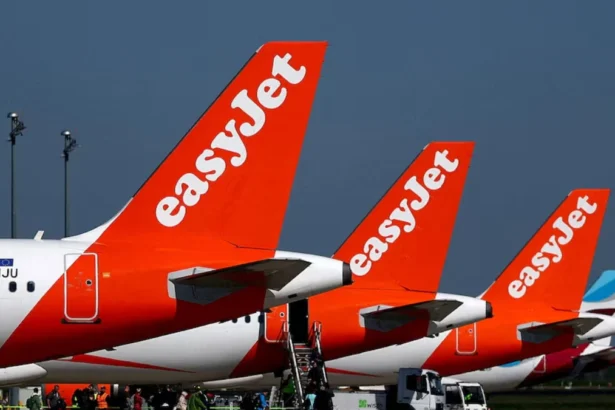
Several airlines are already showing signs of strain. British low cost carrier easyJet is reportedly close to a US backed takeover that would take the airline private at a valuation well below its value before the Covid 19 pandemic. Latvia’s airBaltic is seeking short term financial support to avoid default, while Norway’s Norse Atlantic has begun reviewing its long term business strategy as it deals with mounting financial challenges.
Although many airlines strengthened their finances after the pandemic, the recent increase in fuel prices has placed fresh pressure on the industry. Higher operating costs have reduced investor confidence and exposed weaknesses in airlines that continue to carry heavy debt or have limited financial reserves. Industry experts say several companies across Europe are now considering restructuring plans or looking for new investors to remain operational.
Barema Bocoum, who leads the Europe, Middle East and Africa division at financial advisory firm Interpath, said his team is currently working with several major European airlines on possible restructuring plans. His comments reflect growing concern that more carriers may struggle to cope if high costs continue.
The global airline industry has already reduced its profit expectations for 2026 after the conflict in the Middle East disrupted major air routes and increased fuel expenses. Airlines operate on narrow profit margins, making them especially vulnerable to sudden increases in operating costs. The latest crisis has added to financial pressures that have remained since the pandemic, despite a strong recovery in passenger travel over the past few years.
Aviation analyst Rob Morris said the industry’s recent recovery now appears to be losing momentum much sooner than expected. According to experts, airlines are becoming increasingly cautious about expanding their operations as uncertainty
Aircraft manufacturer Airbus has also lowered its long term forecast for passenger aircraft demand. The company cited ongoing geopolitical tensions and trade disputes as factors slowing the pace of growth that had followed the pandemic. Aviation adviser Bertrand Grabowski said most airlines in Europe, the United States and Southeast Asia are limiting expansion plans and focusing instead on protecting their finances. Turkish Airlines remains one of the few carriers continuing with more ambitious growth.
Jet fuel is one of the largest expenses for airlines and can account for more than one third of total operating costs when prices are high. Although fuel prices have become more stable in recent weeks, continued uncertainty in the Middle East has left airlines concerned about future costs. Industry observers warn that smaller airlines are particularly vulnerable because they rely heavily on strong summer earnings to survive the quieter winter travel season.
London based aviation analyst James Halstead said many airlines may be able to manage through the busy summer months but could face serious financial difficulties early next year when passenger demand usually falls. He noted that February is often the most difficult month for airlines because cash reserves are typically at their lowest.
Several European carriers are already being closely watched by investors. Poland’s national airline LOT has frequently been mentioned as a possible takeover target, while airBaltic’s rising bond yields indicate growing concern among investors about the company’s financial health. Shares in Norse Atlantic have also fallen sharply since the airline entered the stock market in 2021.
Despite these concerns, the airline industry has overcome major crises in the past and has often proved more resilient than expected. However, analysts say the current combination of high fuel prices, economic uncertainty and slowing demand has created warning signs that cannot be ignored.
Industry leaders also expect further consolidation if financial pressures continue. International Air Transport Association Director General Willie Walsh recently said some airlines are likely to be acquired by larger competitors while others may not survive if fuel prices remain elevated. Experts believe the coming months will be critical in determining which airlines can withstand the latest economic challenges and which may be forced to seek outside support.