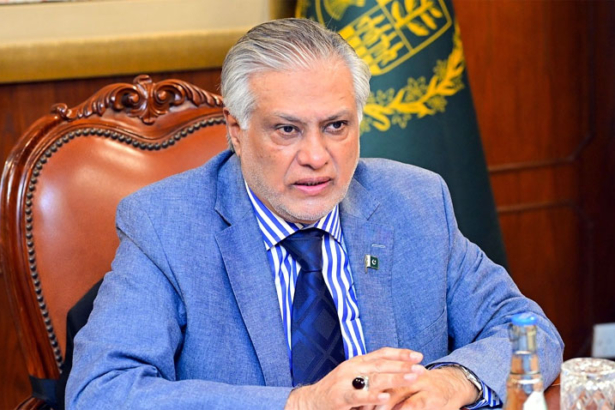

Pakistan’s Deputy Prime Minister and Foreign Minister, Ishaq Dar, has welcomed the decision by the Lloyd’s Market Association’s Joint War Committee to remove Pakistan from its list of regions classified as high-risk for war insurance. The announcement marks a significant development for the country’s maritime and trade sectors and is being viewed as a positive sign of increasing international confidence in Pakistan’s security and economic environment.
Sharing his reaction on the social media platform X, Ishaq Dar described the decision as an important milestone that reflects the international community’s growing trust in Pakistan. He said the move demonstrates recognition of the country’s improving security situation and its continued efforts to strengthen economic stability and regional connectivity.
The removal of Pakistan from the war risk insurance list is expected to provide several economic benefits. Ships entering Pakistani ports will no longer face the additional insurance premiums that are typically imposed on vessels operating in areas considered vulnerable to conflict or instability. As a result, shipping companies are likely to experience lower operational costs, making maritime trade with Pakistan more cost-effective and attractive.
According to Ishaq Dar, reduced insurance expenses are expected to lower overall shipping costs, which will benefit both importers and exporters. Businesses engaged in international trade may see reduced transportation expenses, helping Pakistani products become more competitive in global markets while also decreasing the cost of imported goods. These developments could contribute to increased trade activity and support the country’s broader economic growth.
The Deputy Prime Minister emphasized that the decision is not only an economic achievement but also a reflection of Pakistan’s improving international image. He noted that the country’s efforts to maintain stability, enhance security, and build stronger relations with international partners have helped restore confidence among global institutions and businesses.
Ishaq Dar also expressed appreciation to the Lloyd’s Market Association for its constructive engagement throughout the review process. He acknowledged the organization’s professional approach and thanked its Joint War Committee for carefully assessing the situation before making its decision. He said the outcome reflects a balanced evaluation based on changing ground realities and demonstrates confidence in Pakistan’s progress.
Industry experts believe that the removal of Pakistan from the war risk list could encourage greater commercial shipping activity at the country’s ports, including Karachi, Port Qasim, and Gwadar. Lower insurance costs may also attract more international shipping lines and investors, strengthening Pakistan’s position as an important regional trade hub.
The development is expected to complement the government’s ongoing efforts to improve trade, attract foreign investment, and boost economic recovery. Reduced logistics costs could benefit multiple sectors of the economy, including manufacturing, agriculture, and exports, while creating a more favorable environment for business and investment.
Overall, the decision by the Lloyd’s Market Association’s Joint War Committee is being regarded as a major positive step for Pakistan. It not only reduces financial burdens on international shipping but also sends a strong message that the country’s security and business environment are gaining international recognition. Government officials hope this milestone will further enhance investor confidence, promote trade, and contribute to long-term economic development.