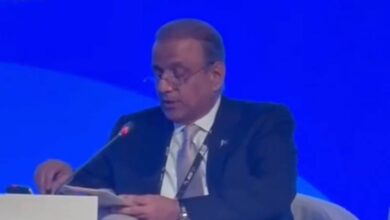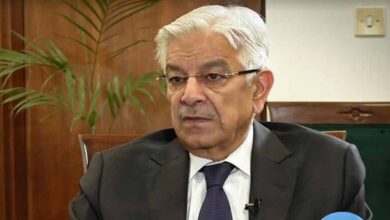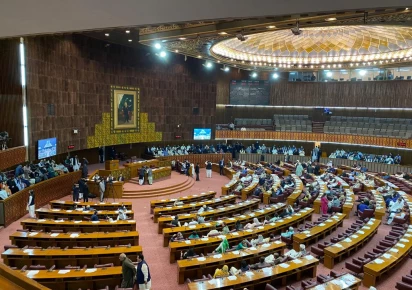

A fresh controversy has emerged in the National Assembly Standing Committee on Overseas Pakistanis and Human Resource Development after lawmakers raised questions over the preparation of the new emigration policy, the role of parliamentarians in policy making and mistakes in official committee records.
The debate started when members questioned whether important stakeholders were consulted before the approval of the new immigration policy and why some members of the committee were not included in the policy launch event.
During the meeting, Dr Mahreen Razzaq Bhutto, a member of the committee pointed out that concerns raised in an earlier meeting regarding the emigration policy were missing from the official minutes. She questioned the process through which the policy was prepared and asked whether relevant stakeholders were taken on board before the policy was approved.
The lawmaker argued that public policies affect millions of people and should be prepared after consultation with all important groups, including representatives of the people. She also questioned statements regarding the policy’s approval timeline, noting confusion about when the policy was actually introduced and approved.
The issue created a debate inside the committee over the difference between the government’s authority to make policies and parliament’s responsibility to monitor their implementation.
Committee Chairman Syed Rafiullah stated that making government policy falls under the authority of the government and the minister concerned. He said the role of the committee is to review, monitor and examine whether the policy is being implemented properly.
The chairman maintained that the government has the right to prepare policies, while parliamentary committees can examine their performance and suggest improvements. However, the member disagreed, arguing that while the government has the authority to create policies, consulting stakeholders strengthens the policy and improves public confidence.
She said that parliamentarians should be involved before policies are presented for final approval because they represent public concerns. The lawmaker stressed that policies become public documents after approval, but meaningful consultation should happen before final decisions are made.
The chairman responded that members would have the opportunity to discuss issues within the policy and provide suggestions after reviewing the document. The discussion also highlighted the importance of clearly defining the connection between government policy making and parliamentary oversight.
Another controversy emerged when members raised objections over the wording used in committee documents regarding the Federal Secretary of the Inter Provincial Coordination Division.
Dr Mahreen questioned why the word “summon” was used for a federal secretary in the committee recommendations, arguing that such language is generally associated with legal authority and court proceedings. She questioned whether a parliamentary committee should use the term for a senior government official who was being requested to attend a meeting.
Officials clarified that the use of the word appeared to be a drafting mistake and that the actual intention was to invite the secretary to attend the meeting. The committee secretary explained that the official agenda mentioned the secretary was invited along with relevant officers to participate in discussions.
The member insisted that official documents should use accurate wording because committee reports become public records and represent parliamentary proceedings. She said that drafting mistakes can confuse the powers and procedures of parliamentary committees.
The meeting also witnessed a heated exchange between members over the issue, with the chairman asking members to follow the committee procedure and discuss matters according to their turn. The chairman advised members that disagreements should remain within the rules of parliamentary discussion and that the committee should continue its work in an organised manner.
The committee later continued discussion on the relevant agenda items while maintaining that official records and policy discussions must remain clear and accurate.