
WASHINGTON: A narrowly divided US Senate rejected the latest bipartisan bid to block President Donald Trump’s tariffs on Wednesday, just hours after the federal government reported that the nation’s economy contracted for the first time in three years amid the chaos of the president’s tariff policies.
Senate Majority Leader John Thune then moved quickly to kill the measure for good before supporters could muster a successful vote on a later date, calling Vice President JD Vance to the US Capitol to break a tie and table the resolution.
The measure sought to terminate the national emergency that Trump declared as the basis for 10% global tariffs on US trading partners and higher reciprocal tariffs on 57 trading partners including the European Union.
The resolution failed in a 49-49 vote, with only three Republicans crossing the aisle to join Democrats to support it. Just weeks ago, four Senate Republicans had joined Democrats to pass a similar bill to terminate new tariffs on Canada. Republicans currently hold a 53-47 majority.
But with two would-be supporters absent on Wednesday, it became clear that the measure could succeed at a later date. In a dramatic move, Thune called for a second vote to kill the resolution by tabling its reconsideration, which succeeded 50-49 with Vance casting the tie-breaking vote.
“Leader Thune and Senate Republicans tonight voted to keep the Trump tariff-tax in place. They own the Trump tariffs and higher costs on America’s middle-class families,” Senate Democratic leader Chuck Schumer said in a statement.
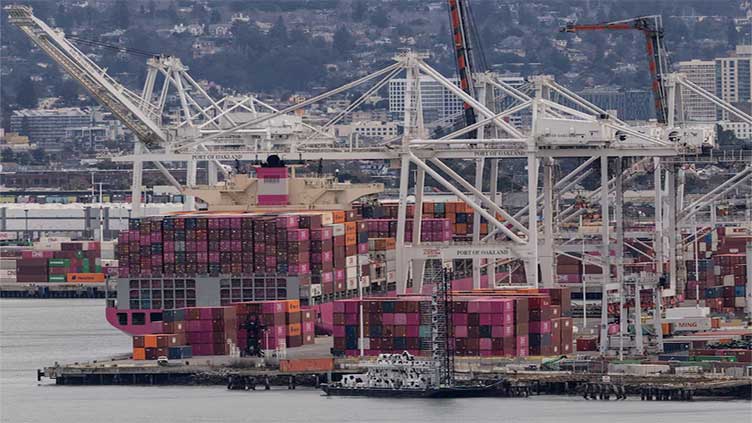
The action came hours after the Commerce Department reported that the US economy contracted at an annualized rate of 0.3% during the first three months of 2025, amid a flood of imports as businesses raced to avoid higher costs from tariffs.
It was the first decline since the first quarter of 2022 and the first tangible evidence of the economic effects of the Trump tariffs, following weeks of turmoil in US stock and bonds as economists warned that tariffs would lead to rising consumer prices and a possible recession.