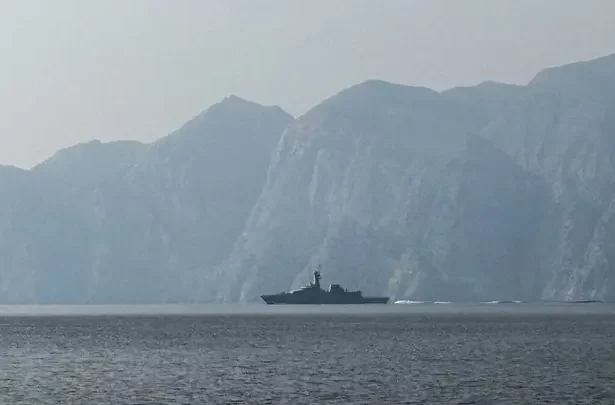

ABU DHABI: The United Arab Emirates has called for any settlement of the ongoing US-Iran conflict to include a firm guarantee of free passage through the Strait of Hormuz, warning that failure to secure the waterway could destabilize the entire Middle East.
Anwar Gargash, diplomatic adviser to the UAE president, told reporters over the weekend that the strait, which serves as the world’s most critical oil artery, cannot be weaponized or treated as a bargaining chip. He stressed that freedom of navigation through Hormuz is not only a regional issue but a global economic necessity.
“The Strait of Hormuz cannot be held hostage by any country,” Gargash said. “Its security must be part of any settlement, with clear agreement on freedom of navigation.”
Gargash explained that the UAE wants the war to end but cautioned against a ceasefire that leaves unresolved issues. He pointed to Iran’s nuclear program, its missile arsenal, and drone attacks as threats that must be addressed to prevent a more volatile environment. “We don’t want escalation, but we also don’t want a ceasefire that ignores the root causes of instability,” he said.
The conflict, which erupted on February 28 after US-Israel strikes on Iran, has already disrupted global energy supplies. About one-fifth of the world’s oil and liquefied gas normally passes through Hormuz daily, but Iranian attacks have severely curtailed traffic. The UAE has faced heavier strikes than any other Gulf state, with missiles and drones targeting airports, ports, and energy facilities.
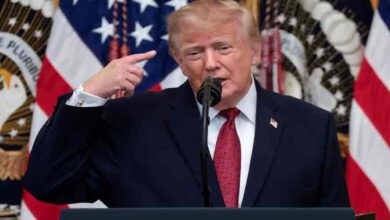
US President Donald Trump has threatened further military action if Iran does not reopen the strait by his Tuesday deadline. In a fiery post on Truth Social, he warned Tehran of devastating consequences, vowing to intensify strikes on Iranian energy and transport infrastructure.
Gargash said the UAE stands ready to join any US-led international effort to secure shipping lanes. He acknowledged that the worst-case scenario of a full Iranian attack, once considered unlikely, is now unfolding. Despite this, he insisted the UAE remains resilient, with strong economic fundamentals that position the country for recovery.
Regional analysts believe Iran’s strikes on Gulf energy facilities are calculated attempts to raise costs for Washington’s allies, pressuring them to push for an end to the campaign. However, Gargash argued that Iran’s leadership is focused on preserving its regime rather than protecting its people, making trust impossible under current conditions.
He added that Iran’s actions will likely deepen Gulf security ties with Washington and expand Israel’s role in the region. “The US will remain our core security partner, and we will double down on that relationship as threats intensify,” Gargash said.
The UAE has expressed gratitude for international support, singling out France as a steadfast partner and praising Washington for strengthening its air defence systems. Gargash concluded that while the UAE does not seek hostility with Iran, the country cannot ignore the risks posed by Tehran’s current strategy.