
Pakistan has reported two new cases of wild poliovirus from Khyber Pakhtunkhwa, taking the total number of confirmed polio cases in the country this year to three.
Health officials said the latest cases were detected in Bannu and North Waziristan. The infections were identified through the national surveillance system and later confirmed by the WHO-recognised laboratory at the National Institute of Health (NIH).
Earlier this year, the first polio case of 2026 had been reported from Sindh. The new cases have increased concerns among health authorities about continued virus circulation in high-risk areas.
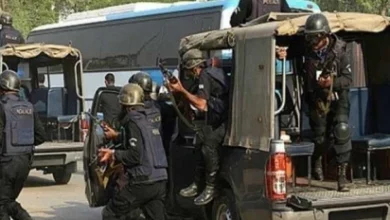
Officials said vaccination teams still face access and security challenges in some districts of Khyber Pakhtunkhwa. These difficulties make it harder to vaccinate every child and allow the virus to continue spreading.
Health experts have also warned that rising temperatures could increase the risk of transmission earlier than expected this year. The poliovirus becomes more active during hot weather, and the summer season is considered the peak transmission period.
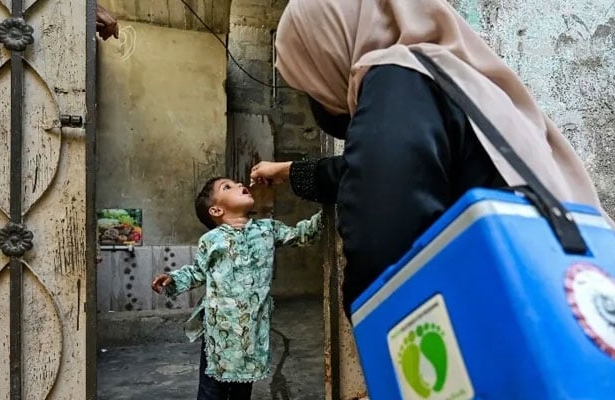
Authorities stressed that polio has no cure and can cause lifelong paralysis. They urged parents to ensure that children under five receive repeated oral polio vaccine doses along with routine immunisation.
The Pakistan Polio Programme continues to conduct nationwide door-to-door vaccination campaigns throughout the year to protect children from the disease.
Pakistan and Afghanistan are currently the only two countries in the world where wild poliovirus transmission still exists. Because of this, international travellers from Pakistan are still required to carry a valid polio vaccination certificate under World Health Organization travel guidelines.
Health officials say eliminating the virus completely will require uninterrupted vaccination campaigns, public cooperation, and improved access to vulnerable areas.