
ISLAMABAD: Pakistan’s increasing dependence on imported oil, liquefied natural gas (LNG) and other fossil fuels is emerging as a major challenge for the country’s economic stability and long-term energy security, as domestic gas reserves continue to decline while industrial and urban energy demand steadily rises.
A comprehensive report and SWOT analysis released by the Institute of Cost and Management Accountants of Pakistan has warned that the country’s current energy model is becoming increasingly vulnerable to external shocks, exposing Pakistan to global price fluctuations, geopolitical uncertainties and supply chain disruptions.
The institute noted that shrinking domestic gas reserves have forced the country to rely more heavily on imported energy resources, particularly LNG, to meet growing demand from industries, businesses and households. This trend, it said, has increased pressure on foreign exchange reserves and amplified exposure to international market volatility.
Decades of Energy Reforms
The report traced Pakistan’s energy sector evolution from independence to 2025, highlighting major milestones including natural gas discoveries, regulatory reforms, infrastructure development and foreign investment initiatives that shaped the country’s energy landscape.
Despite these efforts, the report observed that structural challenges continue to hinder progress, particularly in reducing dependence on imported fuels and improving the financial health of the energy sector.
LNG Dependence and Financial Pressures
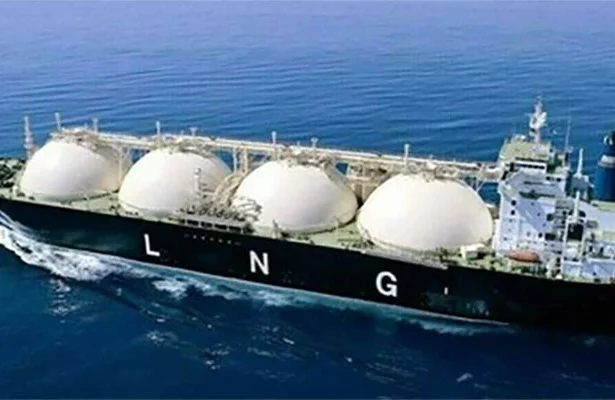
Pakistan’s LNG imports, which began in 2015 to address domestic gas shortages, initially played a crucial role in bridging the energy supply gap. However, changing market conditions have altered consumption patterns.
The report highlighted that long-term LNG supply agreements signed during periods of optimistic demand projections have created financial challenges as consumption trends shifted. These contractual obligations, combined with broader inefficiencies in the energy supply chain, have contributed to mounting financial liabilities and worsening circular debt.
Pakistan’s circular debt burden in the energy sector has now reached an estimated Rs1.889 trillion, underscoring the scale of structural problems facing the industry.
Solar Boom Reshaping Energy Demand
One of the most significant developments identified in the report is the rapid growth of distributed solar power across the country.
The analysis estimated that distributed solar generation capacity reached nearly 34 gigawatts by 2025, reflecting growing public and commercial interest in alternative energy sources amid rising electricity tariffs and concerns over grid reliability.
Between 2017 and 2025, Pakistan imported around 50 gigawatts worth of solar panels, a figure nearly equivalent to the country’s total installed grid capacity. Analysts believe this unprecedented growth signals a major shift in consumer energy preferences and could reshape future electricity demand patterns.
SWOT Analysis Highlights Risks and Opportunities
The institute’s SWOT analysis identified several strengths within Pakistan’s energy sector, including an established fuel supply network, existing power generation infrastructure and a growing portfolio of renewable energy projects.
However, it also highlighted critical weaknesses such as excessive reliance on imported fuels, escalating energy costs, transmission and distribution inefficiencies, and persistent financial imbalances.
At the same time, the report warned that Pakistan remains exposed to external threats including volatile global commodity prices, geopolitical conflicts, supply disruptions and exchange-rate fluctuations that can significantly affect energy import costs.
Transition Towards Cleaner Energy
Looking ahead, the report said Pakistan’s long-term energy transition strategy aims to achieve 60% clean electricity generation by 2030 through increased investment in renewable and low-carbon energy sources.
The institute stressed that achieving sustainable energy security will require a comprehensive reform agenda focused on strengthening domestic resource development, modernising infrastructure, improving demand-side management, introducing flexible fuel procurement arrangements and accelerating investment in renewable energy technologies.