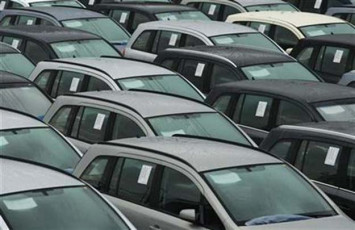

ISLAMABAD: Pakistan witnessed a significant decline in the import of used vehicles during fiscal year 2025-26, with both the quantity and value of second-hand vehicles brought into the country falling compared with the previous financial year.
According to available data, Pakistan imported 36,755 used vehicles worth $187.81 million during FY2025-26. The figures represent a notable decrease from the previous fiscal year, when 43,675 used vehicles valued at $243.85 million were imported.
The latest figures indicate that the number of used vehicles imported into Pakistan fell by nearly 16% year-on-year, while their total import value declined by more than 23% during the period under review.
Used vehicles were brought into the country mainly through three established import schemes: the Personal Baggage Scheme, Gift Scheme and Transfer of Residence Scheme. However, significant changes to these schemes during FY2025-26 affected the overall volume of imports.
One of the major policy changes was the abolition of the Personal Baggage Scheme. The government took the decision after determining that the facility was being widely misused for commercial purposes rather than serving its original objective of allowing overseas Pakistanis to bring vehicles for personal use.
The elimination of the scheme played an important role in reducing the number of used vehicles entering the Pakistani market during the fiscal year.
At the same time, the government tightened conditions for the remaining Gift and Transfer of Residence schemes. Under the revised framework, the minimum period an importer must have remained abroad was increased to three years, making eligibility more restrictive.
The rules governing the Transfer of Residence scheme were also revised to link the source of the imported vehicle with the country where the eligible individual had been residing. For example, a Pakistani national residing in the United Kingdom would generally be required to import a vehicle from the UK rather than sourcing a used car from another market such as Japan.
The changes came against the backdrop of broader tariff reforms introduced under Pakistan’s National Tariff Policy for 2025-30, which envisages a gradual reduction in import tariffs. Under the policy framework agreed with the International Monetary Fund (IMF), the government committed to rationalising the weighted average tariff, with the rate expected to decline from around 10.7% to 5.99% by 2030.
The automotive sector was also included in the tariff-reduction roadmap, with vehicle-related import duties scheduled for gradual adjustment over the five-year period.
Another major development was the government’s decision to remove the previous five-year age restriction for used vehicle imports. The move was accompanied by additional requirements, including pre-shipment inspection and safety-related conditions, aimed at ensuring that imported vehicles meet specified standards before being shipped to Pakistan.
Despite the decline recorded in FY2025-26, the policy changes have generated concerns among local automobile manufacturers. Industry representatives fear that lower tariffs, combined with the removal of the previous age restriction, could eventually encourage a substantial increase in used vehicle imports.
Local manufacturers have warned that a sharp rise in second-hand vehicle imports could intensify competition for domestically assembled vehicles and potentially affect investment, production and employment in the local automotive industry.
The government, however, has been pursuing tariff rationalisation as part of a broader effort to make Pakistan’s trade regime more competitive and gradually reduce protection for local industries.
The impact of these reforms is expected to become clearer in the coming years as lower tariffs are phased in and the revised import framework takes effect. While stricter eligibility requirements have reduced used vehicle imports in the short term, the combination of tariff reductions and relaxed age restrictions could alter the market significantly over the longer term.