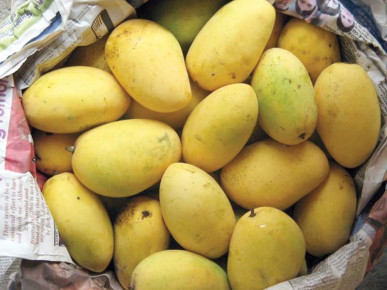

A severe pest outbreak has triggered concern among mango growers across Sindh, with farmers warning that the province’s prized orchards are facing heavy losses due to rapidly spreading infestations and fungal diseases.
The issue came under discussion during a meeting of the Sindh Abadgar Board in Hyderabad, where growers described the attacks as unusually fast and difficult to control. Farmers said pests are spreading through orchards within days, threatening both the quality and quantity of this year’s mango production.
Speaking at the session, SAB President Mahmood Nawaz Shah said changing weather patterns and rising temperatures have increased the vulnerability of crops, especially mango orchards.
Growers explained that while pests such as hoppers, thrips and jassids are common in mango farming, this season’s outbreak has become more dangerous because of accompanying fungal infections. Farmers identified Anthracnose and mango malformation disease among the biggest threats damaging orchards.
Agriculture experts warned that Anthracnose is considered one of the most destructive mango diseases worldwide, capable of damaging fruit before harvest and causing major post-harvest losses if not controlled in time.
Farmers also expressed wider concerns over climate change and extreme weather conditions affecting major crops across Sindh. Participants said unusually high temperatures linked to changing climate patterns are harming cotton, rice and fruit production, especially during sensitive crop-growth stages.
The meeting urged the Sindh agriculture department, research institutions and universities to work closely with farmers to study pest behaviour and climate trends. Growers stressed the need for scientific research to understand how heat and humidity are accelerating pest attacks and crop diseases.
Participants further called for the development of heat-resistant and drought-tolerant seed varieties as temperatures in many parts of Sindh continue to exceed 45 degrees Celsius, increasing water shortages and crop stress.
Besides environmental challenges, farmers highlighted worsening financial pressures due to rising fuel costs and declining market prices of vegetables and fruits, including tomatoes, cauliflower, cabbage, okra and muskmelon. They warned that increasing production expenses and falling profits are pushing growers into serious economic difficulty.
The farming community also demanded government support for value-added agricultural processing and export facilities, saying better storage, processing and export systems could help farmers reduce losses and improve earnings from surplus produce.