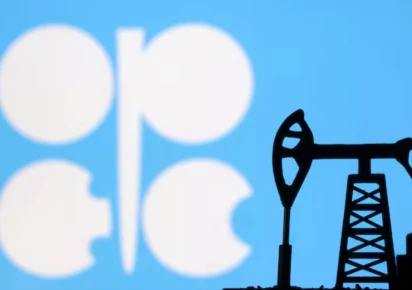

The Organization of the Petroleum Exporting Countries and its allied producers have agreed on a coordinated adjustment in oil production, as major exporters respond to evolving global energy market conditions and seek to maintain price stability.
In a joint decision under the broader OPEC+ framework, seven key producers—Saudi Arabia, Russia, Iraq, Kuwait, Kazakhstan, Algeria, and Oman—have committed to an output adjustment of approximately 188,000 barrels per day. The move is part of a broader effort to keep supply aligned with global demand trends and avoid excessive volatility in oil prices.
The adjustment, scheduled to take effect from June 2026, builds on a series of voluntary production measures first introduced in April 2023. Participating countries reaffirmed their shared objective of ensuring a balanced and predictable oil market, while retaining flexibility to respond to sudden shifts in demand or supply disruptions.
The decision comes at a time of heightened uncertainty in global energy markets, with geopolitical developments and fluctuating demand influencing price movements. Recent reports of disruptions to shipping routes, including concerns around the Strait of Hormuz, have added to market sensitivity and reinforced the need for coordinated action among major producers.
Officials from the participating countries emphasized that production levels will be continuously reviewed. They signaled readiness to pause, increase, or further reduce output depending on market conditions, including the possibility of reversing earlier voluntary cuts introduced in late 2023.
The group also highlighted that the latest adjustment would help accelerate compliance efforts among member states that previously exceeded agreed production levels. Under the compensation mechanism, countries are required to offset any excess output recorded since early 2024.
Producers reiterated their commitment to the Declaration of Cooperation, the framework that underpins collaboration between OPEC members and non-OPEC partners. Compliance and market developments will continue to be overseen by the Joint Ministerial Monitoring Committee, which plays a central role in reviewing adherence to agreed targets.
In a move aimed at strengthening coordination, OPEC+ members have agreed to hold monthly meetings to assess market conditions, track compliance, and fine-tune production strategies. The next review session is scheduled for June 7, 2026.
Separately, recent developments within the group have drawn attention, including the decision by the United Arab Emirates to exit OPEC after nearly six decades of membership, a step that analysts say could have longer-term implications for the organization’s internal dynamics.