
A new study has highlighted the concerns and aspirations of young people in Balochistan.
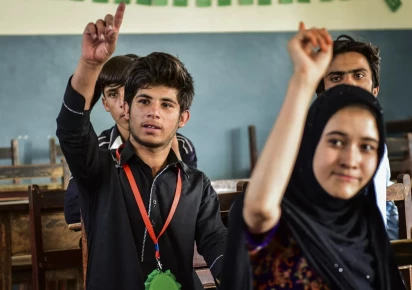
The report shows that most youth are focused on education, employment, and peaceful development. However, they continue to face major challenges in access to opportunities and basic services.
The study was conducted by researchers from local universities and published in an academic journal. It is based on surveys and interviews with young people across the province.
Researchers say the youth are aware and motivated. They are connected through social media and follow national and global issues closely.
However, many respondents expressed dissatisfaction. They pointed to unemployment, weak education systems, and poor healthcare facilities.
The study says this gap between expectations and reality is increasing frustration among young people.
Facebook was found to be the most used platform for information. Other platforms like X and Instagram are also widely used, especially by younger users.
Researchers warned that misinformation on social media is influencing opinions. It is also shaping how youth view politics and development issues.
The report also discussed major development projects in the region, including the China-Pakistan Economic Corridor. Views were mixed. Some see it as an opportunity. Others believe local communities are not fully benefiting.
Perceptions of international actors also varied. Some youth view the United States as a source of education and opportunity. Others are more critical of its regional role. Views on India remained largely negative.
The study also noted that young women in Balochistan face additional social and economic barriers. Their needs and perspectives often differ from male respondents.
Despite challenges, the study found that most youth prefer dialogue and peaceful solutions. They do not support violence or instability.
Researchers said the findings show that the youth are not a burden. They are a potential asset if given proper opportunities.
The report called on both provincial and federal governments to invest in human capital. It recommended reforms in governance, better job creation, and improved education and health systems.
It also urged more transparency in development projects and greater inclusion of local youth in decision-making.
Experts concluded that the youth of Balochistan are asking for opportunity, not conflict. They want jobs, education, and a functioning system that supports their future.