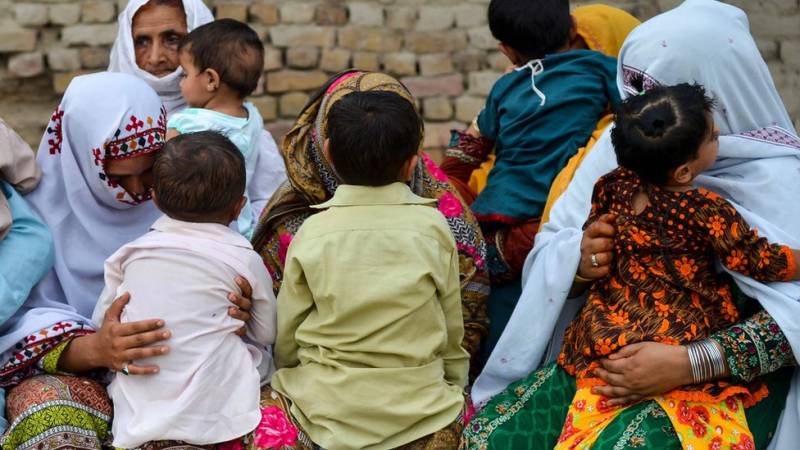

More than 2,000 children across Pakistan have been diagnosed with Human Immunodeficiency Virus (HIV) over the past 15 months, raising serious public health concerns, according to official sources.
Data from the Common Management Unit (CMU) of the Federal Ministry of Health shows that a total of 2,108 children were affected, including 1,274 boys and 834 girls.
The province of Sindh reported the highest number of cases, with 1,515 children diagnosed during the period. Of these, 1,186 cases were recorded in 2025, while 329 cases emerged in the first three months of 2026.
Punjab ranked second, with 418 children diagnosed with HIV in 2025. In Khyber Pakhtunkhwa, 111 cases were reported, including 90 in 2025 and 21 in early 2026.
Meanwhile, Balochistan reported 38 cases, with 33 in 2025 and five more in 2026. The federal capital Islamabad recorded 22 cases—17 in 2025 and five this year. Additionally, three cases were reported in Azad Kashmir and one in Gilgit-Baltistan.
Health officials have expressed concern over the rising number of infections among children, particularly in Sindh, calling for urgent preventive measures and improved healthcare practices.
Earlier, on February 20, Federal Health Minister Mustafa Kamal, while briefing the National Assembly Standing Committee on Health, clarified that the total number of HIV/AIDS patients in Pakistan is significantly lower than previously estimated. He stated that instead of 350,000 cases, around 84,000 to 85,000 patients are currently undergoing treatment in the country.
The minister also highlighted a major health scandal, revealing that nearly 70,000 children were reportedly infected with HIV due to the use of contaminated syringes at a private hospital in Karachi. He alleged the presence of a “mafia” within the Pakistan Nursing Council and vowed to take strict action to address the issue.
Officials say the situation underscores the need for stricter regulation of healthcare facilities, improved screening, and public awareness to curb the spread of HIV, especially among vulnerable populations such as children.